Selling land is different from selling a house. There's no kitchen to stage and no square footage to compare. Buyers are paying for what the land can become, so the sale comes down to access, soils, utilities, zoning, and how well the property is presented. Here's how to approach it.
1. Know exactly what you own
Start with your deed and the county tax records. Tennessee's property assessment records are searchable online through the Comptroller's assessment site, and your parcel card will show the acreage the county has on file, the map and parcel number, and whether the land is in greenbelt.
- Acreage: the tax card and the deed do not always agree. A current survey settles it.
- Access: does the land touch a public road, or is it reached by an easement? Deeded road frontage is worth more than an easement.
- Rights: note any easements, timber contracts, leases, or mineral rights that go with or against the land.
2. Price it off land, not houses
Online estimators do a poor job with land because every tract is different. Good land pricing looks at recent land sales nearby and then adjusts for the things buyers actually pay for:
- Usable acres versus steep, wet, or landlocked ground
- Road frontage and access
- Utilities at the road: water, power, and sewer if available
- Soils that can support a septic system
- Zoning, and whether the land can be divided
- Water features, timber, views, and existing improvements like barns and fencing
Price per acre is a useful starting point, but it can mislead. A 5-acre homesite and a 150-acre farm in the same county can trade at very different per-acre prices, and both can be priced correctly.
3. Do the homework buyers will ask for
The fastest land sales happen when the seller has already answered the buyer's big questions. You don't need all of these for every property, but know where you stand on each:
- A recent survey, or at least a clear boundary you can walk
- Soil work for septic on homesite-sized tracts. See perc tests and soil work in Tennessee.
- Where utilities are and what it would cost to bring them in
- Greenbelt status and how rollback taxes will be handled. See greenbelt and rollback taxes.
4. Decide how you want to sell
There are three common paths, and each one trades speed, price, and effort differently.
- List with an agent: the most exposure to buyers who will pay retail. Takes longer than a cash sale, but often reaches the widest pool of buyers.
- Take a cash offer: fast and certain, but investors buy below market so they can resell at a profit. Know what that discount is before you sign.
- Sell it yourself: saves commission, but you handle pricing, marketing, showings, and the contract on your own.
5. Market it to land buyers
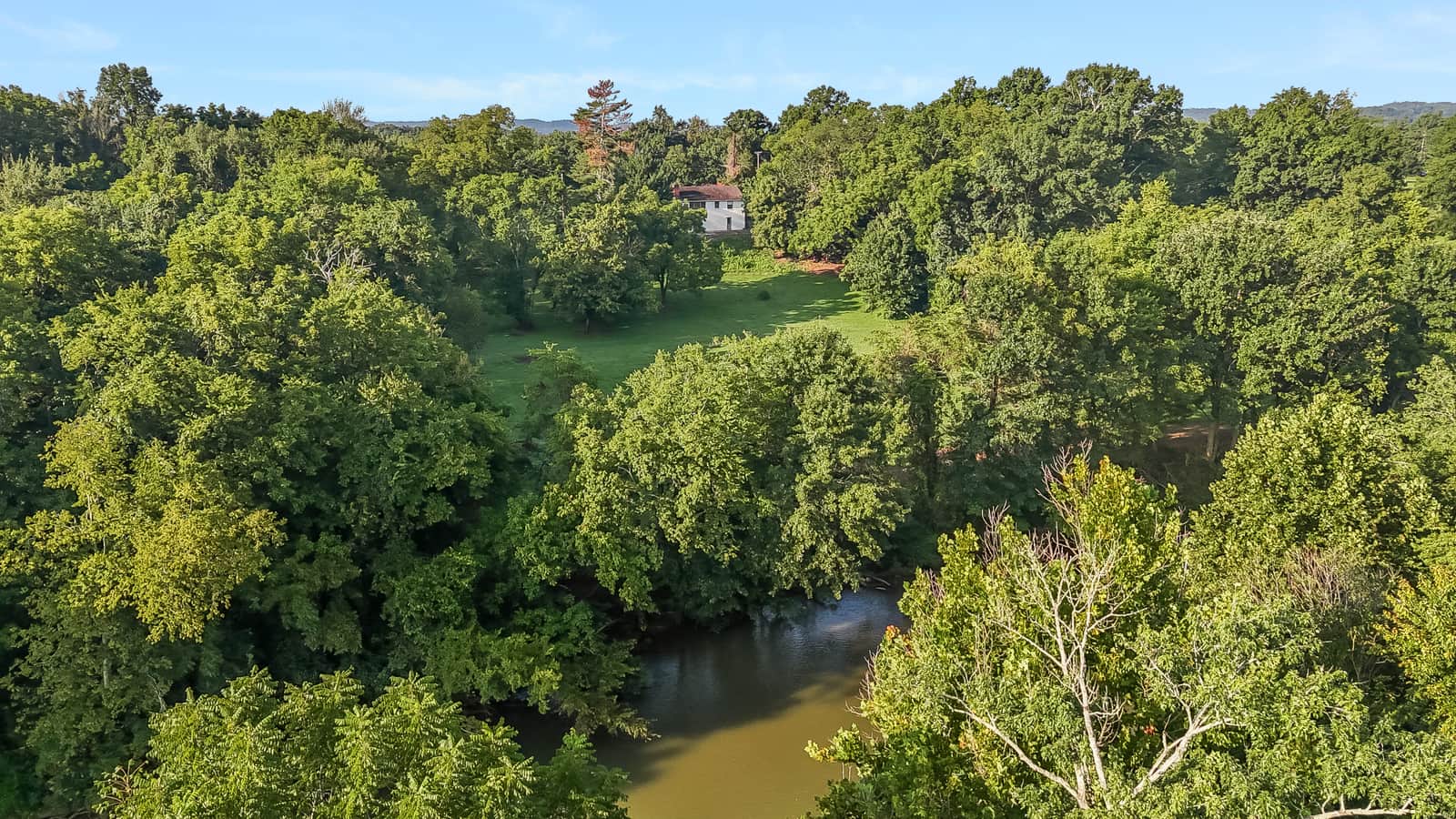
Land buyers shop with their eyes first. Drone photos and video that show the lay of the land, clear boundary lines, and honest detail about access and utilities do more than any description. The listing should reach the MLS and the major search sites, and a good agent will also reach out directly to buyers, neighbors, and builders who might be looking.
6. Contract to closing
Land contracts usually include a due diligence period so the buyer can survey, test soils, and confirm they can use the land the way they plan to. Expect questions about the survey, soil work, and title. In Tennessee, closings are typically handled by a title company or closing attorney.
Thinking about selling?
Jack Kehoe helps landowners across Middle Tennessee price and sell land, farms, and acreage. Request a land valuation and get a real number from someone who walks the property.