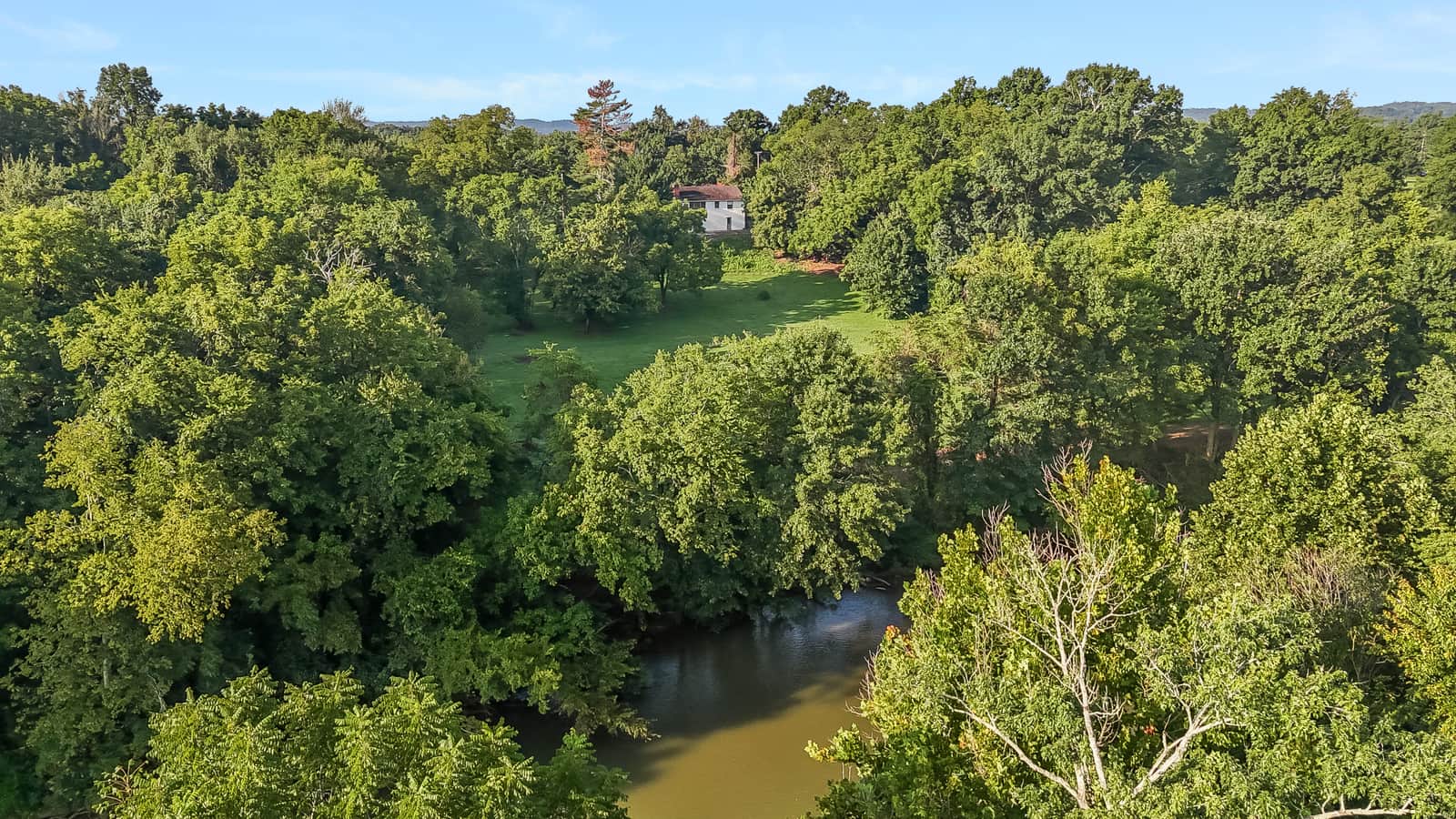
If your land doesn't have public sewer, the first question most homesite buyers ask is whether it will "perc." In other words: can the soil support a septic system? The answer can make or break a sale, so it's worth understanding before you list.
How septic approval works in Tennessee
People still call it a perc test, but in Tennessee septic suitability is judged mainly from the soils. According to the Tennessee Department of Environment and Conservation, many septic permit applications require a soil map prepared by a soil scientist certified by the state, and it is often the first thing buyers ask for.
The soil scientist evaluates the ground and maps the areas that can handle a septic system. That map, along with the house plans, determines what kind of system can be permitted and where.
Who issues permits
In most of the state, septic permits come from TDEC. Nine counties run their own programs instead: Blount, Davidson, Hamilton, Jefferson, Knox, Madison, Sevier, Shelby, and Williamson. Since October 2024, property owners can also hire a registered third-party engineer to prepare the permit package and handle the final inspection.
Why it matters to your price
Without sewer, a lot that can't get a septic permit may not be buildable, and an unbuildable homesite is worth far less. The reverse is also true: a lot with soil work already done removes the buyer's biggest unknown, and that can lead to a faster sale and stronger offers.
Should you do soil work before listing?
- Homesites and small acreage: often yes. Buyers are paying for a place to build, and proof that they can build is the most valuable thing you can hand them.
- Large farms and recreational land: often no. Buyers of big tracts usually have room to find a good site and will do their own evaluation during due diligence.
- Subdivision lots: check the recorded plat and county records first. Earlier soil work or approvals may already exist.
- Development tracts: builders will typically plan around sewer and do their own engineering.
Get a second opinion
Every tract is different. If you are deciding whether soil work is worth it before you sell, talk with Jack. He can tell you what buyers in your area will expect.